
Post-waxing care is the short, intentional routine you follow after hair removal to calm inflammation, protect the skin’s barrier, and cut down on bumps and ingrown hairs. Waxing briefly leaves follicles and surrounding skin inflamed and more permeable, so a few targeted steps — cooling, gentle cleansing, and restoring barrier moisture — speed recovery and help your smooth results last. This guide walks you through what to do in the first 0–48 hours, proven ways to prevent ingrowns, the ingredients we recommend for hydration and protection, and the long-term habits that keep skin smooth between visits. You’ll also find area-specific tips for bikini, facial, and body waxing plus a quick note on men’s aftercare — all explained with salon-backed reasoning from our estheticians. Read on for immediate soothing steps, safe exfoliation timing, ingredient directions, and simple scheduling habits that improve skin texture over time.
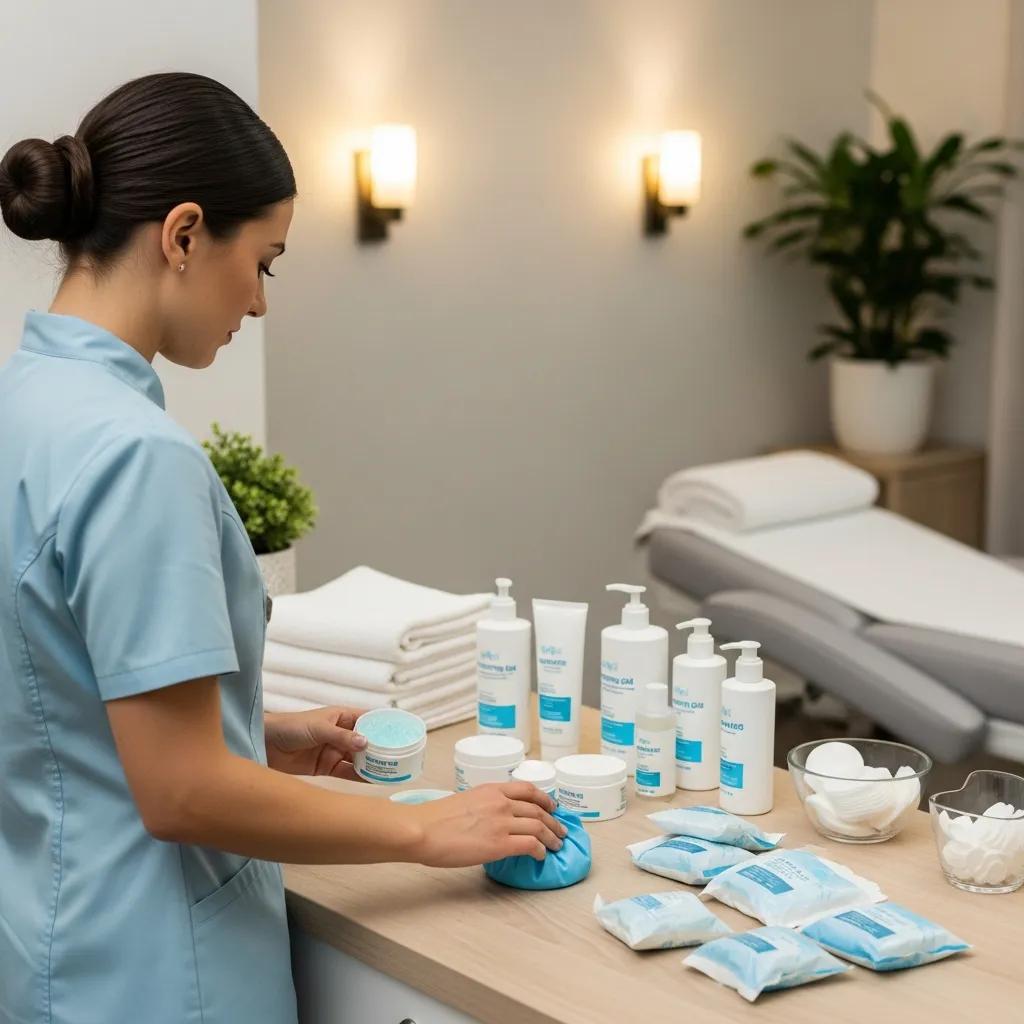
The goal of immediate aftercare is straightforward: calm inflammation, reduce infection risk, and protect newly exposed follicles so irritation fades fast and smoothness holds. Practically speaking, that means lowering heat and swelling, avoiding friction and contaminants, and restoring moisture to prevent water loss through the barrier. Taking these actions in the first 0–48 hours cuts redness, lowers the chance of bumps, and creates a healthier environment for regrowth. Below are the salon-tested stepsto follow right after your wax and through the first two days.
Follow these six quick steps right after waxing:
Below we explain how cold compresses and aloe work, and why loose clothing really matters — plus safe timing and application tips.
Cold compresses reduce local blood flow by constricting capillaries, which helps bring down swelling and visible redness after waxing. Aloe vera delivers anti-inflammatory and hydrating compounds that calm irritated skin. Use a wrapped ice pack or cool compress for 5–10 minutes at a time, with breaks in between so you don’t over-chill the skin, and patch-test aloe on a small area if you haven’t used it before. Brief cooling followed by a fragrance-free aloe gel addresses both the vascular and cellular parts of post-wax irritation — which is why our estheticians often recommend cooling before moving on to barrier repair.
Why cooling matters after hair removal
Cooling plays an important role in hair removal aftercare — it eases discomfort and supports a more comfortable recovery. The Best Cooling Gels for Laser Hair Removal
Loose clothing reduces friction and shear that can aggravate freshly waxed skin, preventing tiny injuries that lead to bumps, extended redness, or ingrown hairs. For bikini or Brazilian waxes, breathable cotton underwear and low-compression bottoms cut down on rubbing; for arms, legs, or back, choose soft, roomy fabrics to avoid chafing. Keep tighter garments off for at least 24–48 hours, since friction increases inflammation and traps moisture that can block follicles. Pairing breathable clothing with early cooling and soothing topicals lowers the risk of follow-up irritation.
Our Brooklyn Browestheticians recommend these immediate steps and suggest booking a same-week check-in if irritation doesn’t ease. At our Court Street location we customize aftercare by skin type and treatment area and can advise whether an in-salon soothing touch-up or a quick follow-up visit is best.
Preventing ingrown hairs is about keeping follicles clear, cutting inflammation, and introducing gentle, properly timed exfoliation so hairs can grow out cleanly instead of curling back under the skin. Physically removing dead skin that traps hairs, combined with mild chemical exfoliation that loosens follicular plugs, reduces the chance of re-entry. Start conservatively 48–72 hours after waxingand adapt based on sensitivity and the area treated; this approach keeps bumps rare and speeds visible smoothing. The routine below explains safe timing, methods, and ingredient choices for different skin types.
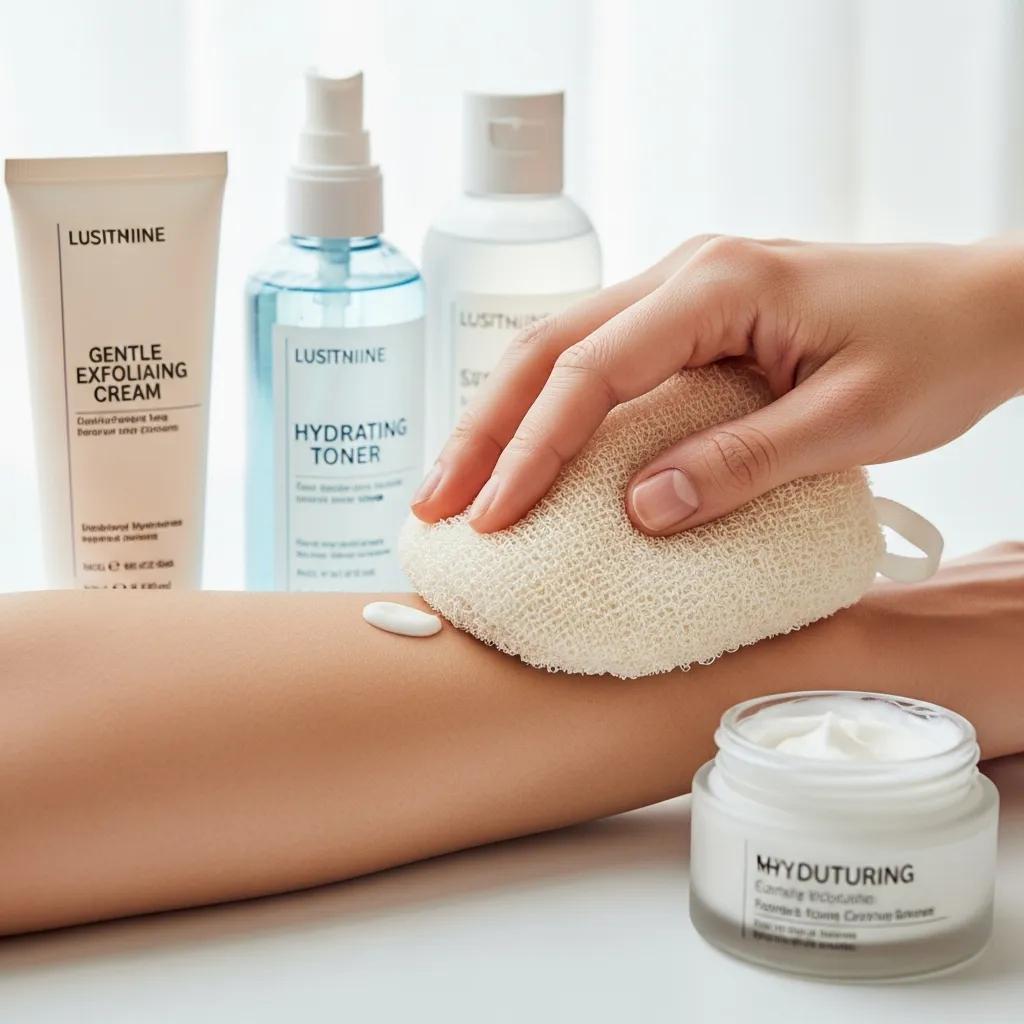
When and how to start exfoliating based on sensitivity:
The table below compares common exfoliating categories — how they work, frequency recommendations, and suitability for sensitive skin — to help you choose safely.
| Exfoliant Type | Mechanism | Recommended Frequency | Suitability for Sensitive Skin |
|---|---|---|---|
| Salicylic acid (BHA) | Penetrates pores and dissolves oil/keratin plugs | 1–2x weekly at 0.5–2% | Usually fine at lower concentrations for oily or acne-prone skin |
| Glycolic acid (AHA) | Loosens surface cell bonds to promote shedding | 1x weekly at 5–10% (home products) | Use cautiously; lower strengths for sensitive skin |
| Physical scrub / mitt | Mechanically lifts dead skin cells | 1x weekly, gentle use | Not ideal for inflamed or very sensitive skin |
This breakdown shows why BHAs are often preferred for unclogging follicles while AHAs smooth surface texture — and why physical scrubs need extra care on fresh waxes.
Start with conservative timing — 48–72 hours after your wax — then stick to low-frequency, low-intensity methods that clear follicular openings without over-drying the skin. For most people, a weekly gentle physical exfoliation or a low-dose chemical exfoliant once weekly is enough; increase to twice weekly only if your skin tolerates it and buildup persists. At home, a soft mitt or a product with 0.5–2% salicylic acid works well; professional exfoliation can be scheduled between waxes when appropriate. Moving slowly and watching your skin’s response prevents irritation that could actually make ingrowns worse.
Salicylic acid (a BHA) works inside pores to dissolve oil and keratin that block follicles, making it particularly effective against ingrowns. Glycolic acid (an AHA) loosens surface cell bonds to speed turnover and smooth texture. Common OTC concentrations are 0.5–2% for salicylic acid and 5–10% for glycolic acid; sensitive skin usually does better with lower doses and less frequent use. BHAs penetrate more deeply and are a go-to when oiliness or clogged pores are the main issue, while AHAs help when surface flakiness is the concern. Often the best results come from a gentle mix of mechanical and chemical approaches tailored to your skin’s needs.
Our Brooklyn Browestheticians can recommend personalized ingrown-hair prevention plans and suggest in-salon-safe product types for your skin — book a consultationfor specific product guidance and follow-up.
Hydration and protection after waxingcome down to restoring the skin barrier, bringing down inflammation, and guarding treated skin from external stressors like sun and friction. Look for fragrance-free moisturizers with ceramides or glycerin for barrier repair, non-comedogenic soothing oils such as jojoba for light occlusion, and calming actives like aloe (or low-strength hydrocortisone when recommended). Texture and active profile should match the area treated and your skin type so you hydrate without clogging follicles. Below is a practical comparison of product categories to help you pack a simple post-wax kit.
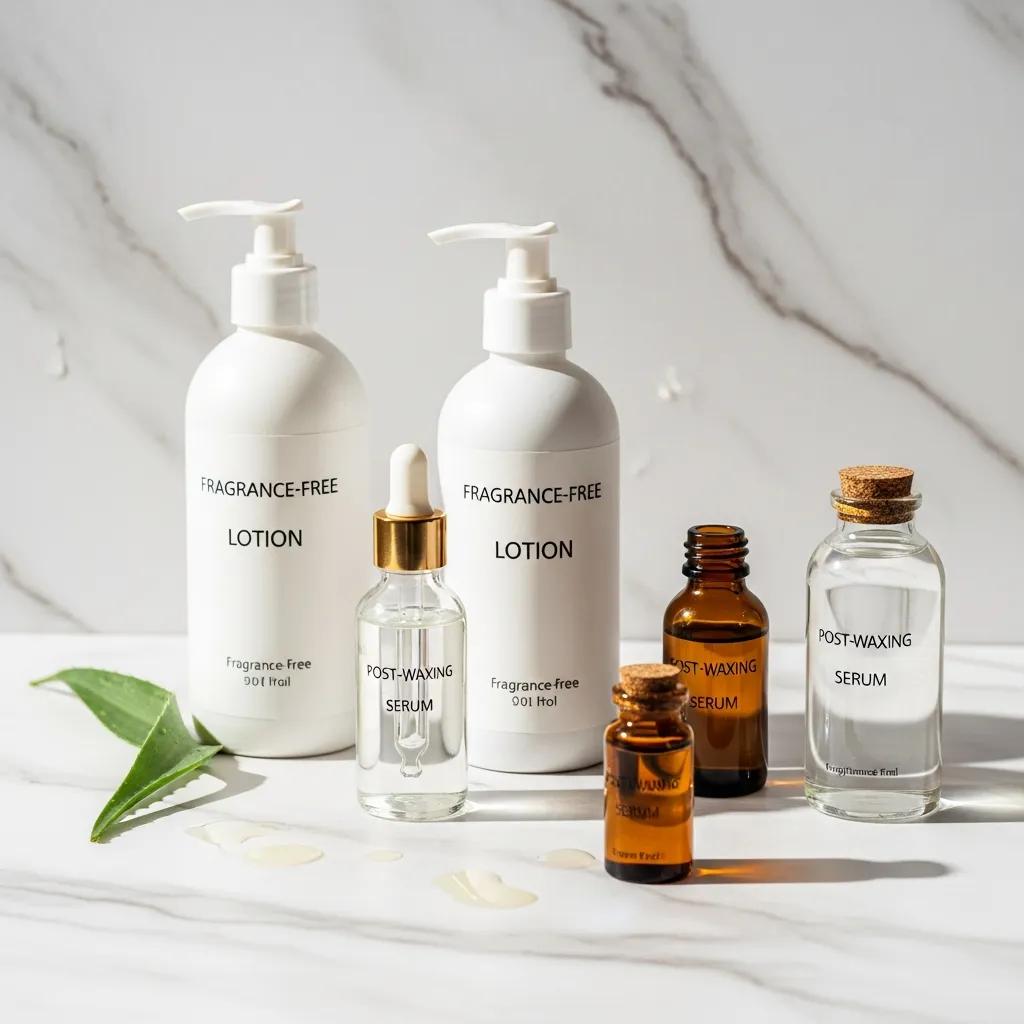
Key product categories and why they matter:
Compare product types by attributes and benefits:
| Product Type | Key Attribute | Benefit |
|---|---|---|
| Fragrance-free lotion | Light emulsion with humectants (glycerin, ceramides) | Hydrates and repairs the barrier without heavy residue |
| Soothing oil (jojoba-type) | Non-comedogenic, oil-like texture | Softens skin and seals in moisture while mimicking natural sebum |
| Ingrown-hair serum | Contains BHAs or mild acids | Helps clear follicular plugs and reduce bumps |
This comparison clarifies why lightweight lotions suit most body areas, light oils help localized dryness, and serums are useful when ingrowns are a recurring issue.
Pick fragrance-free moisturizers that list gentle humectants like glycerin, barrier lipids such as ceramides, and minimal potential irritants; avoid formulas with denatured alcohol or added fragrances right after waxing. For pore-prone areas choose non-comedogenic lotions rather than heavy oils; for really dry patches a light jojoba-style oil gives occlusion with lower pore risk. Apply sparingly and only after the initial 24–48-hour calming phase to avoid trapping heat or sweat. Matching texture to the body area — a light lotion for the face, slightly richer but non-greasy lotions for legs — keeps skin comfortable without compromising follicle health.
Waxed skin is temporarily more sensitive to UV because the barrier is disrupted and permeability is increased, so avoiding direct sun for 24–48 hours reduces the risk of hyperpigmentation and irritation. After that window, apply a broad-spectrum sunscreen with an SPF suited to your activities to protect treated skin and support even healing. Reapply as usual and wait until the skin has calmed (about 48 hours) before layering sunscreen onto visibly inflamed areas. Sun-smart practices complement cooling and hydration to preserve tone and limit post-inflammatory changes.
Long-term aftercare blends daily maintenance, weekly follicle-clearing habits, and a steady waxingcadence to gradually reduce hair density and improve skin texture. Regular waxing weakens hair at the follicle while supportive skincare protects the barrier and prevents occlusion that leads to ingrowns. Make daily habits about gentle cleansing and moisturizing, weekly habits about measured exfoliation, and align scheduling with hair growth cycles for best results. The checklist and timing below give a clear roadmap for lasting smoothness.
Daily and weekly habits that really help:
The table below lays out routine elements, their goals, and recommended cadence so you can build a consistent plan.
| Routine Element | Goal | Recommended Use |
|---|---|---|
| Daily moisturizer | Keep the barrier healthy and hydrated | Daily, morning and/or evening |
| Gentle exfoliation | Prevent follicular blockage | Weekly, starting 48–72 hrs post-wax |
| Waxing schedule | Work with hair growth cycles | Every 4–6 weeks depending on regrowth |
Daily care centers on the barrier: gentle cleansing and regular application of a fragrance-free moisturizer. Weekly, add a measured exfoliation step to prevent buildup around follicles. Avoid harsh, lipid-stripping products and opt for mild, pH-balanced cleansers that preserve the skin’s protective layer. Time your weekly exfoliation after waxingto clear potential obstructions without triggering inflammation. Over months, these modest, consistent habits reduce ingrown frequency and keep skin softer between appointments.
Booking waxes every 4–6 weeks matches typical hair cycles so your esthetician removes visible hairs before they thicken or fall out inconsistently. Over time, regular root removal can make regrowth finer and less dense. A reliable schedule also lets professionals monitor problem areas and tweak your at-home routine when needed. Keeping appointments and pairing them with daily and weekly care speeds improvements in texture and cuts down on maintenance hassle.
Different areas need different care because sensitivity, friction, and hair type vary across the body. The bikini area, face, and larger body zones each respond differently to products and activity, so adjusting your routine by area minimizes irritation and speeds recovery. Variations in skin thickness, oiliness, and usual clothing friction explain these tweaks. Below are concise, practical tips for bikini, facial, and body waxing.
Area-specific aftercare tips by treatment type:
For bikini and Brazilian waxing, prioritize breathability and minimal friction — cotton underwear and loose swimwear reduce rubbing and moisture buildup while calming gels lower inflammation. For facial waxing, avoid actives like retinoids and AHAs for at least 48 hours and use light, non-comedogenic moisturizers to prevent pore clogging. Larger body areas benefit from consistent hydration and steering clear of tight athletic wear immediately after waxing. These area-specific steps help each spot heal cleanly and keep skin smooth without compromising follicle health.
Sensitive zones need extra gentleness: delay exfoliation a bit longer, choose fragrance-free calming products, and watch for signs of excessive irritation like spreading redness or pustules. If irritation worsens — with rising pain, spreading warmth, or persistent swelling — contact a professional rather than escalating home treatments. Shortened cool-compress sessions and light emollients can ease discomfort without provoking more inflammation. Being conservative on sensitive sites prevents secondary problems and supports faster recovery.
Men’s aftercare focuses on managing typically coarser hair and often oilier skin to prevent ingrowns common in male grooming areas. Thicker shafts and higher sebum production increase the chance of follicular occlusion, so targeted exfoliation, lightweight non-comedogenic moisturizers, and consistent follow-up are especially helpful. The tips below give practical product and routine adjustments for male skin.
Quick post-wax practices for men: mens waxing services brooklyn
These simple steps reflect how male skin differences inform aftercare and link to targeted prevention strategies.
Men typically have thicker hair shafts and more sebaceous activity, which can increase ingrown hair risk after waxing. Aftercare should therefore emphasize pore-penetrating exfoliation and light hydration. Gentle BHAs used sparingly and non-greasy lotions help keep follicles clear, while avoiding aggressive mechanical scrubbing prevents trauma. Practical habits — timing exfoliation correctly, choosing breathable textures, and wearing loose clothing — translate these physiological differences into easy, effective steps. With the right routine, men can enjoy smooth results with fewer bumps.
Men often benefit from low-concentration salicylic acid products and lightweight exfoliating serums that can penetrate oilier skin without leaving heavy residue. Physical exfoliation should be gentle and infrequent. Pat products on rather than rubbing, and use soft tools instead of harsh scrubs to reduce microtrauma that encourages ingrowns. A follow-up at a salon experienced with men’s waxingcan fine-tune frequency and topical choices. If bumps persist, a combined in-salon and at-home plan delivers the best results.
Brooklyn Browoffers men’s waxing specialistsand tailored aftercare at our Court Street studio; if you want a personalized consultation or a post-wax check, get in touch to discuss options and book a visit.
We’re available for local consultations and bookings — our Court Street estheticians provide personalized aftercare advice and in-salon follow-ups to help reduce irritation, prevent ingrown hairs, and keep results smooth between visits. If you have ongoing concerns after a wax, a short professional check-in can clarify product choices and timing to support healthier regrowth.
Post-waxing care is a mix of immediate soothing, careful exfoliation timing, smart product selection, and consistent scheduling. Follow these salon-backed steps to minimize redness, prevent ingrowns, and maintain long-lasting smoothness while protecting your skin’s barrier.
Right after waxing, avoid anything that raises heat or irritates the area: hot baths, saunas, intense workouts, and steam rooms for at least 24–48 hours. These can increase sweat and inflammation. Also skip strong topical actives like retinoids or exfoliants for 48–72 hours to prevent extra sensitivity. Keep the area clean, cool, and breathable for optimal healing.
Wait 48–72 hours after waxing before starting any exfoliation. That gives the skin time to settle. After that, begin with gentle methods — a soft mitt or low-concentration chemical exfoliant — and increase only if your skin tolerates it. This reduces ingrown risk while keeping skin smooth.
Moisturizing is important, but choose wisely. Use fragrance-free, lightweight moisturizers with humectants like glycerin or barrier lipids like ceramides. Avoid heavy creams or formulas with denatured alcohol right after waxing. Apply sparingly after the first 24–48 hours to hydrate without trapping heat or clogging pores.
We recommend waxing every 4–6 weeks, which aligns with most hair growth cycles and keeps regrowth manageable. Regular waxing can make hair finer over time and reduce density. Sticking to a schedule also gives your esthetician chances to monitor skin and adjust your home-care routine as needed.
Look out for excessive redness, swelling, or the appearance of bumps and pustules. If you notice increasing pain, spreading warmth, or persistent swelling, that could signal an adverse reaction — get professional advice instead of trying stronger home remedies. Early attention prevents complications and speeds recovery.
Yes — men should lean toward lightweight, non-comedogenic moisturizers and gentle chemical exfoliants like low-concentration salicylic acid to reduce ingrown risk. Because men’s hair can be thicker and skin oilier, these products help keep follicles clear without adding excess oil. Also avoid tight clothing right after waxingto limit friction and irritation.
Good post-waxing care makes recovery easier and keeps skin looking and feeling its best. By prioritizing immediate soothing, waiting to exfoliate, choosing the right products, and sticking to a consistent schedule, you’ll reduce redness and ingrowns and improve texture over time. For tailored aftercare recommendations, book a consultationwith our experienced estheticians — we’ll help you build a simple routine that works for your skin and lifestyle.