Choosing the right wax for Brazilian and bikini waxing affects how comfortable the service feels and how your skin reacts afterwards. This guide compares hard and soft wax, how each is applied, how they feel, and how to prepare and care for your skin, so you know what to ask for at your appointment.
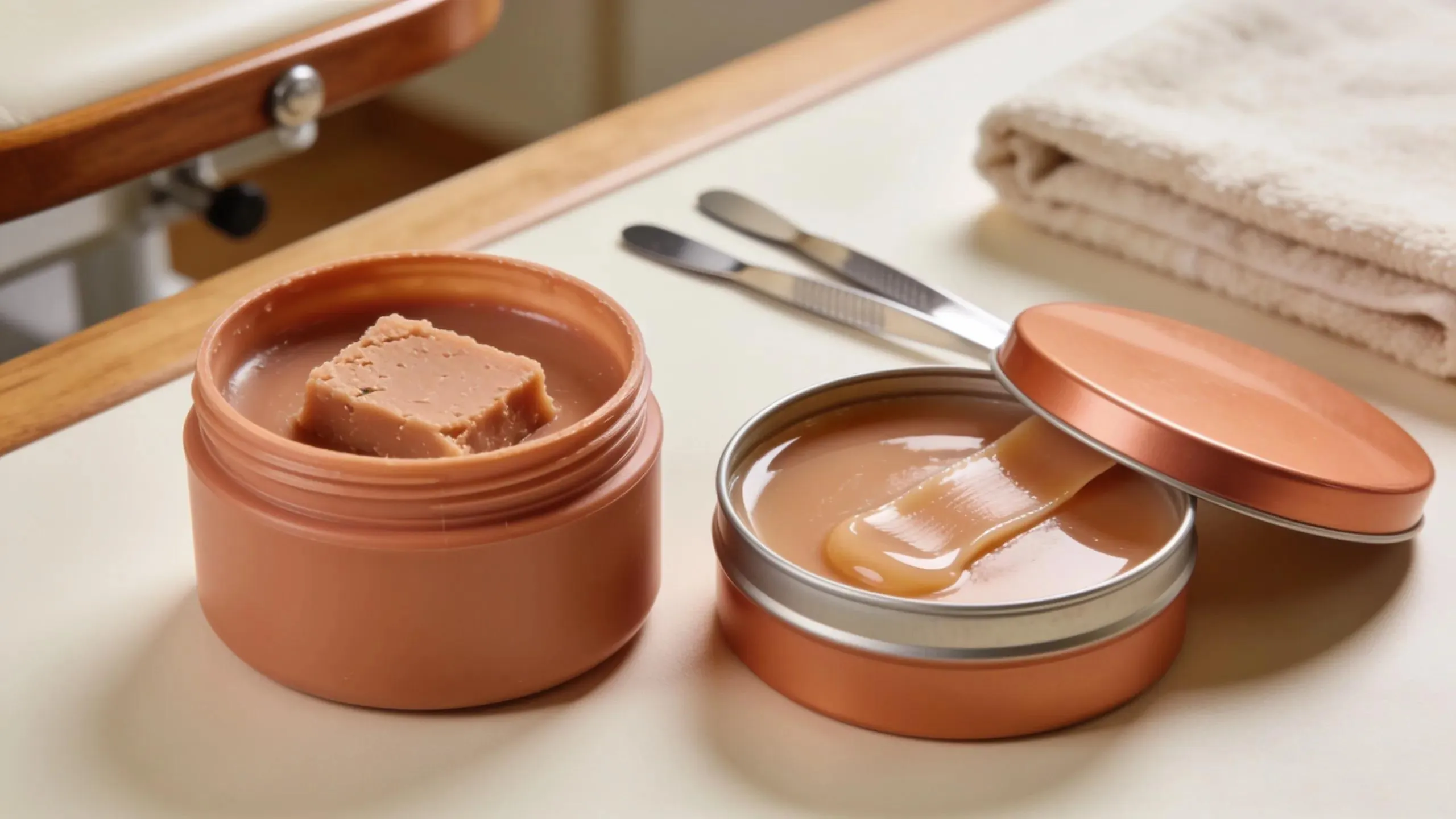
Waxing technology has advanced with innovations that cater to varying skin sensitivities and hair growth patterns. The fundamental difference resides in the composition and removal method of the wax, which significantly influences client comfort and effectiveness of hair extraction.
Hard wax, also known as stripless wax, is formulated with resins and emulsifiers that allow it to be applied in a thick layer and harden upon cooling. This wax encapsulates the hair follicles firmly but minimally adheres to the epidermis, permitting removal without fabric or paper strips. The reduced skin adhesion lowers the risk of epidermal trauma, making hard wax the preferred choice for delicate zones such as the bikini line and Brazilian areas. Additionally, hard wax's pliability allows it to conform to body contours, enhancing precision and reducing repeated pulls, which can cause inflammation.
Soft wax, often called strip wax, consists of a base of natural or synthetic resins combined with waxes that retain tackiness after application. It is spread thinly and removed using cloth or paper strips. Due to its stronger adhesion to both hair and skin, soft wax is efficient for removing coarse and dense hair over large body areas but can cause increased discomfort and skin irritation, particularly in sensitive regions. However, modern formulas often incorporate soothing agents to mitigate adverse reactions.
Effective waxing depends on precise application, waxing technique, and the esthetician's expertise in minimizing pain and optimizing hair removal.
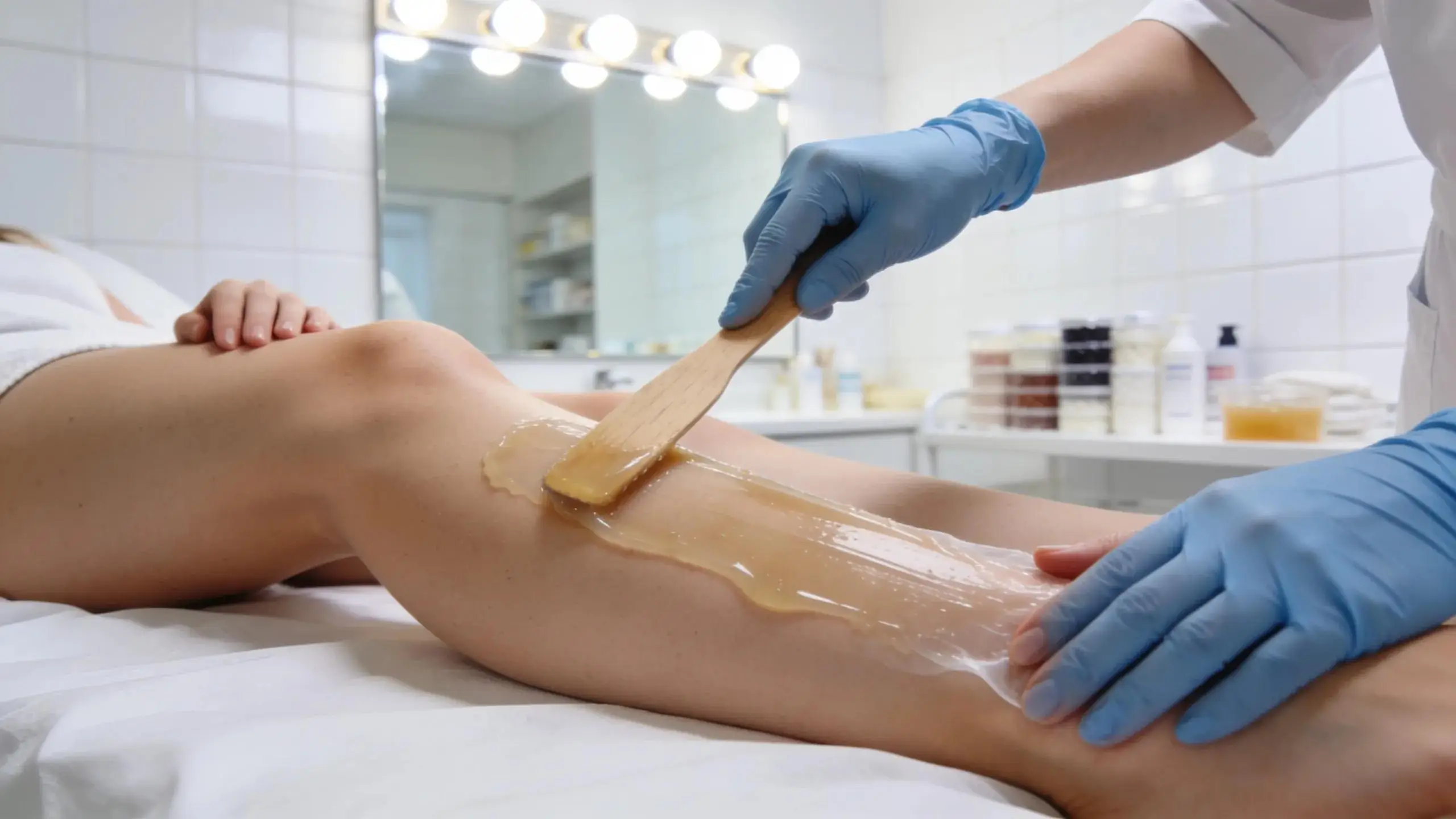
Hard wax is applied at a temperature typically between 120-130°F to avoid burns while ensuring optimal texture for proper hair encapsulation. It is laid down in thick, even layers molding around hairs, then allowed to cool and solidify. Removal occurs by gently lifting an edge and peeling the wax in the opposite direction of hair growth in a swift motion, minimizing epidermal adhesion and trauma. In contrast, soft wax is heated to a slightly warmer range (usually 125-145°F) to maintain spreadability, applied in thin layers, and immediately covered with a strip. The strip is then pulled off sharply against hair growth to detach hairs but also transiently affecting skin cells, which necessitates careful technique to reduce discomfort and skin damage.
Many people find hard wax less painful than soft wax on sensitive areas because it grips the hair more than the skin, which is why it is popular for bikini and Brazilian waxing. Pain is still personal and depends on your tolerance, the technique and how often you wax. Soft wax can feel stronger at first but is very effective for coarse hair and larger areas.
Evaluating skin sensitivity and hair characteristics is essential to select the appropriate wax and technique.
| Wax Type | Optimal Uses | Key Considerations |
|---|---|---|
| Hard Wax | Sensitive or thin skin, fine or short hair, small or delicate areas such as Brazilian and bikini lines | Minimizes inflammation, reduces pain, lowers ingrown hair risk, slower application, precise removal, suitable for sensitive skin conditions |
| Soft Wax | Thicker, coarser hair and larger regions such as legs, arms, and back | Faster application, may cause more irritation, higher efficacy on coarse hair, requires expertise to minimize discomfort |
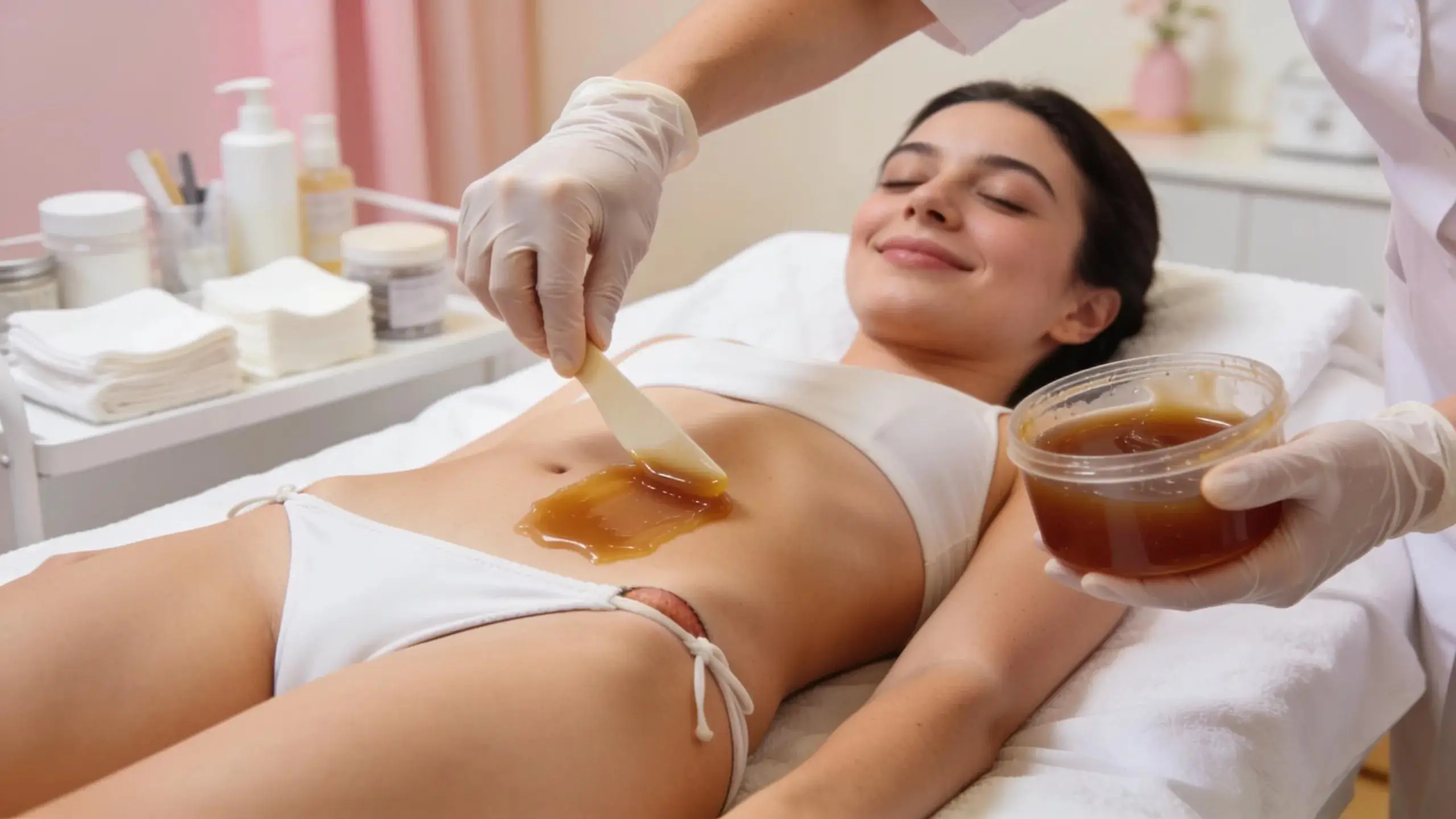
Hard wax is a popular choice for intimate areas because it balances effectiveness with comfort.
Hard wax grips the hair more than the skin, so it is less likely to lift or irritate the skin surface. Many clients notice less redness afterwards compared with soft wax, which makes hard wax a common first choice for sensitive areas.
Removing hair cleanly from the root, together with good aftercare and gentle exfoliation between appointments, helps reduce ingrown hairs and keeps skin smooth. Some waxes also contain soothing ingredients like chamomile or calendula.
At Brooklyn Brows, you can choose a standard, hard wax or CBD wax Brazilian, and your esthetician will recommend the best option for your skin and hair. At Brooklyn Brows: Brazilian $50, Brazilian hard wax $55, Brazilian CBD wax $45 and deep bikini wax $35. See our waxing price list.
Although hard wax dominates for intimate zones, soft wax maintains important utility in certain contexts.
Soft wax’s thin, spreadable nature enables rapid application over expansive areas, reducing treatment duration for clients with demanding schedules. It excels at removing coarse and thick hair such as that found on legs, back, and arms, where the increased adhesion effectively removes stubborn follicles with less repetition.
When soft wax is used on sensitive areas, our estheticians work in small sections, hold the skin taut and apply soothing products before and after waxing to keep the skin comfortable.
Preparation is fundamental to achieving optimal waxing outcomes and minimizing side effects.
Maintaining adequate skin hydration through moisturizer application enhances skin elasticity and resilience. Regular exfoliation with mild scrubs containing alpha hydroxy acids 2-3 days before waxing removes desquamated keratinocytes, which facilitates wax adhesion to hairs rather than dead skin, thereby reducing follicular obstruction and risk of ingrown hairs.
For effective waxing, hair length should be between approximately 6 and 12 millimeters to enable the wax to encapsulate the hair shaft fully. Waxing over excessively short hair can lead to suboptimal removal, while overly long hair increases discomfort. Avoid shaving or trimming within 2 weeks before waxing to ensure appropriate hair growth.
Tell your esthetician about any sensitivity, recent sunburn, or use of retinoids or acne medication before your appointment, as these can make waxing unsuitable for a while.
Adhering to post-wax protocols is critical to maintain skin integrity and prolong smoothness.
Post-wax application of aloe vera-based gels and creams containing anti-inflammatory ingredients such as panthenol and allantoin helps reduce erythema and soothes nerve endings. Cold compresses applied intermittently assist in vasoconstriction and edema reduction.
Commence gentle exfoliation with chemically mild products or soft brushes 48-72 hours post-wax to prevent follicle occlusion. Avoid tight, non-breathable clothing and avoid excessive perspiration through strenuous activity for 24 to 48 hours to minimize friction and bacterial colonization that could provoke folliculitis or hyperpigmentation. Daily application of fragrance-free, non-comedogenic moisturizers supports epidermal repair.
Persistent erythema, edema, or discomfort exceeding 72 hours, or the emergence of pustules necessitate professional evaluation to exclude infections or allergic contact dermatitis. Early intervention ensures prompt recovery and prevents complications.
Brooklyn Brows offers standard, hard wax and CBD wax Brazilians and deep bikini waxing at 145B Court Street, Brooklyn, NY 11201, with clear prices and experienced estheticians. Our waxing specialist Laila has 22 years of experience.
Before waxing, your esthetician asks about your skin, any sensitivity and any medications, then chooses the wax and technique to suit you.
We use fresh wax and single-use applicators for every client with no double-dipping, and clean the treatment area between clients.
At Brooklyn Brows: Brazilian $50, Brazilian hard wax $55, Brazilian CBD wax $45 and deep bikini wax $35. See our waxing price list. We charge per service with no packages.
Your esthetician checks your skin and hair, cleanses the area and chooses the right wax. Wax is applied in small sections, then a soothing product is applied and you get aftercare advice.
Waxing is generally safe but may cause transient redness, bumps, or irritation especially in clients with sensitive skin or certain dermatological conditions. Allergic reactions to wax components are rare but possible. Disclosing your medical and skin history to your esthetician and following pre- and post-care instructions mitigates risks. When unsure, consult a dermatologist.
Hair growth cycles vary by individual; however, most clients find a 4 to 6-week interval maintains smooth skin and optimal hair length for removal. Personalized scheduling is advised based on hair regrowth rate and skin response.
For intimate areas, professional waxing is usually more comfortable and gives a cleaner result, thanks to trained technique, good hygiene and professional products. At-home kits carry a higher risk of burns, bruising, uneven removal and irritation, especially on areas that are hard to see.
Clients with sensitive skin, fine or short hair, or seeking waxing in smaller, delicate areas will benefit from hard wax’s gentler removal and reduced irritation profile.
Use soothing, aloe vera-based products and avoid tight clothes that may worsen friction. Initiate gentle exfoliation after a few days to prevent ingrown hairs. If symptoms persist beyond 48 hours or worsen, seek professional advice promptly.
To book a Brazilian or bikini wax at Brooklyn Brows, call (718) 488-8600, request an appointment, or walk in during opening hours.
Secure your personalized Brazilian or Bikini waxing session with Brooklyn Brows’ experienced estheticians, dedicated to delivering comfortable and skin-friendly care.
Contact Brooklyn Brows to book your personalized Brazilian or Bikini waxing session with experienced estheticians dedicated to your comfort and skin health.