Eyebrow tinting is a semi-permanent treatment that darkens brow hairs to create a polished, low‑maintenance look. This guide outlines typical duration, the key factors that change wear time, and concise aftercare and maintenance advice to keep your tint looking its best. Eyebrow tinting
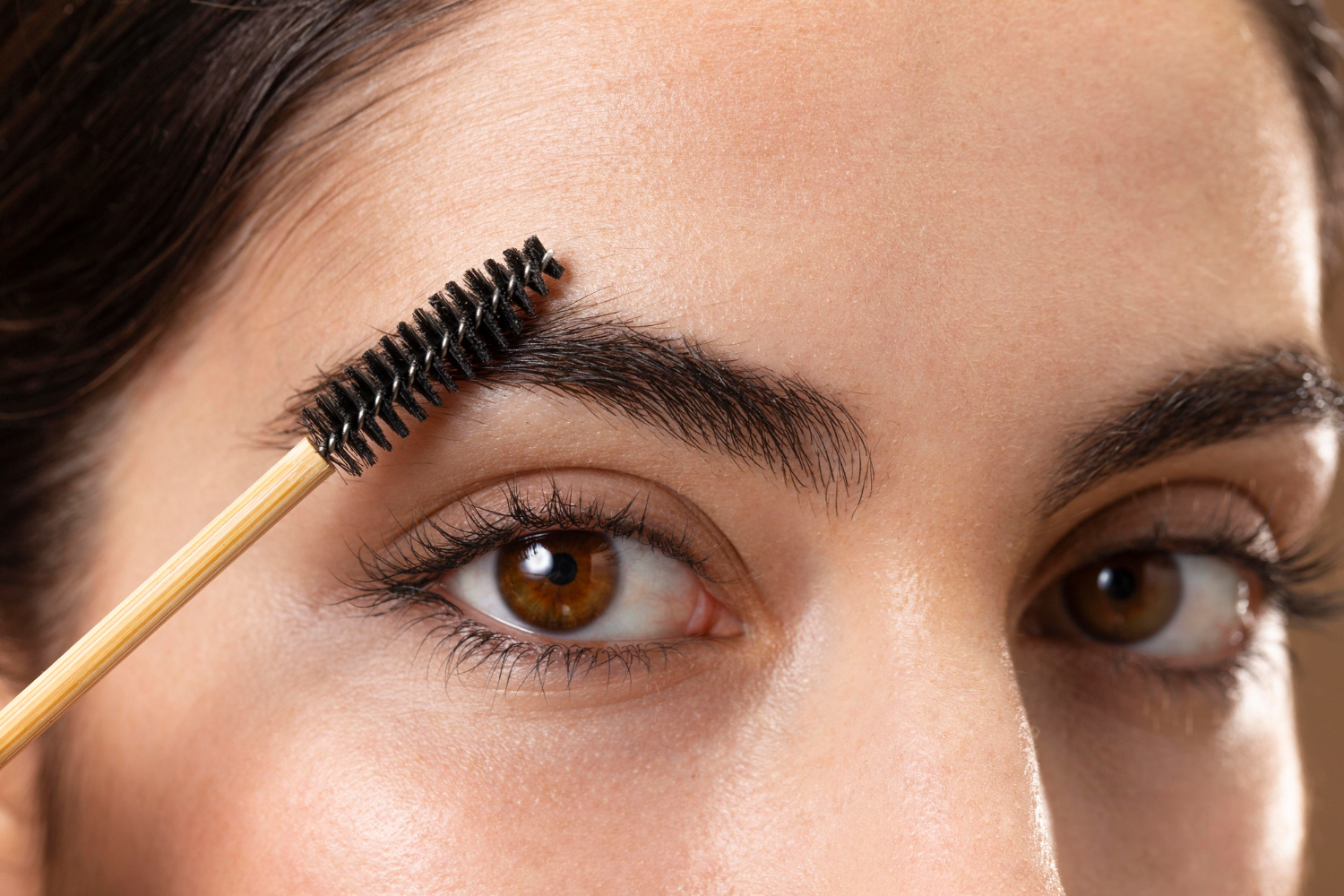
At Brooklyn Brows, we specialise in eyebrow tinting with a personalised consultation to match the shade and shape to your features. Our technicians prioritise safe application and natural-looking results.
Most tints last about three to six weeks; some clients report up to eight weeks. Duration varies by skin type, hair growth rate, and how you care for your brows after the appointment.
Research further explains that the retention of semi-permanent pigments used in eyebrow tinting varies among individuals.
Semi-Permanent Pigment Retention & LongevityKey factors influencing tint longevity include hair growth, skin type, and aftercare habits.
| Factor | Description | Impact on Longevity |
|---|---|---|
| Hair Growth Rate | How quickly brow hairs replace colored strands | Faster growth → quicker fading |
| Skin Type | Oily versus dry skin | Oily skin may reduce wear time |
| Aftercare Habits | Post-tint routines and products | Good care extends tint life |
Follow simple aftercare to help the dye set and avoid early fading.
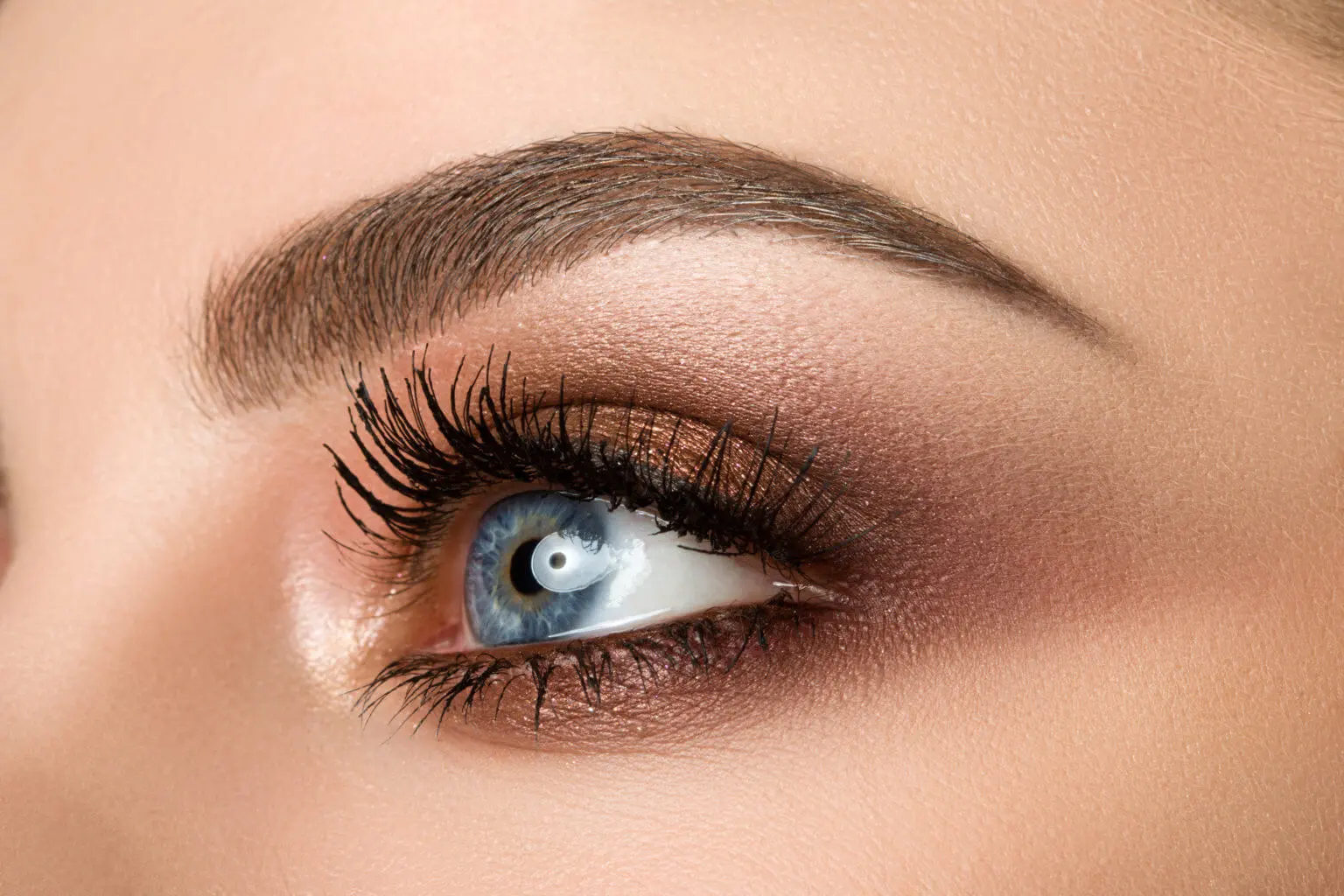
Your technician will give tailored advice; follow those directions for best results.
Regular upkeep keeps color consistent and brows well-shaped between appointments.
Routine maintenance extends the visible life of your tint.
Eyebrow tinting uses a formulated semi‑permanent dye applied to brow hairs to boost color and definition. It creates the appearance of fuller brows and reduces reliance on daily makeup. For more information, visit eyebrow tinting.
Understanding how tint dyes interact with natural pigments helps you choose the correct shade and anticipate results.
Eyebrow Tinting Color Theory & Pigment Mixing
Dye applied to skin (as often occurs in eyebrow tinting) mixes with intrinsic pigment, creating a new composite color. For instance, a cool ashy dye on skin with a warm, yellowish
Fundamentals of Eyebrow Colorimetry: Color Theory, Practical Application, and Typical Errors with Atypical Consequences, 2025
Tinting is a salon procedure where a semi‑permanent dye is applied to brow hairs for even color and safer application by a trained professional. To learn more about the process, visit our eyebrow tinting page.
Tinting increases perceived density, frames the eyes, and often reduces the need for pencils, powders, or daily filling.
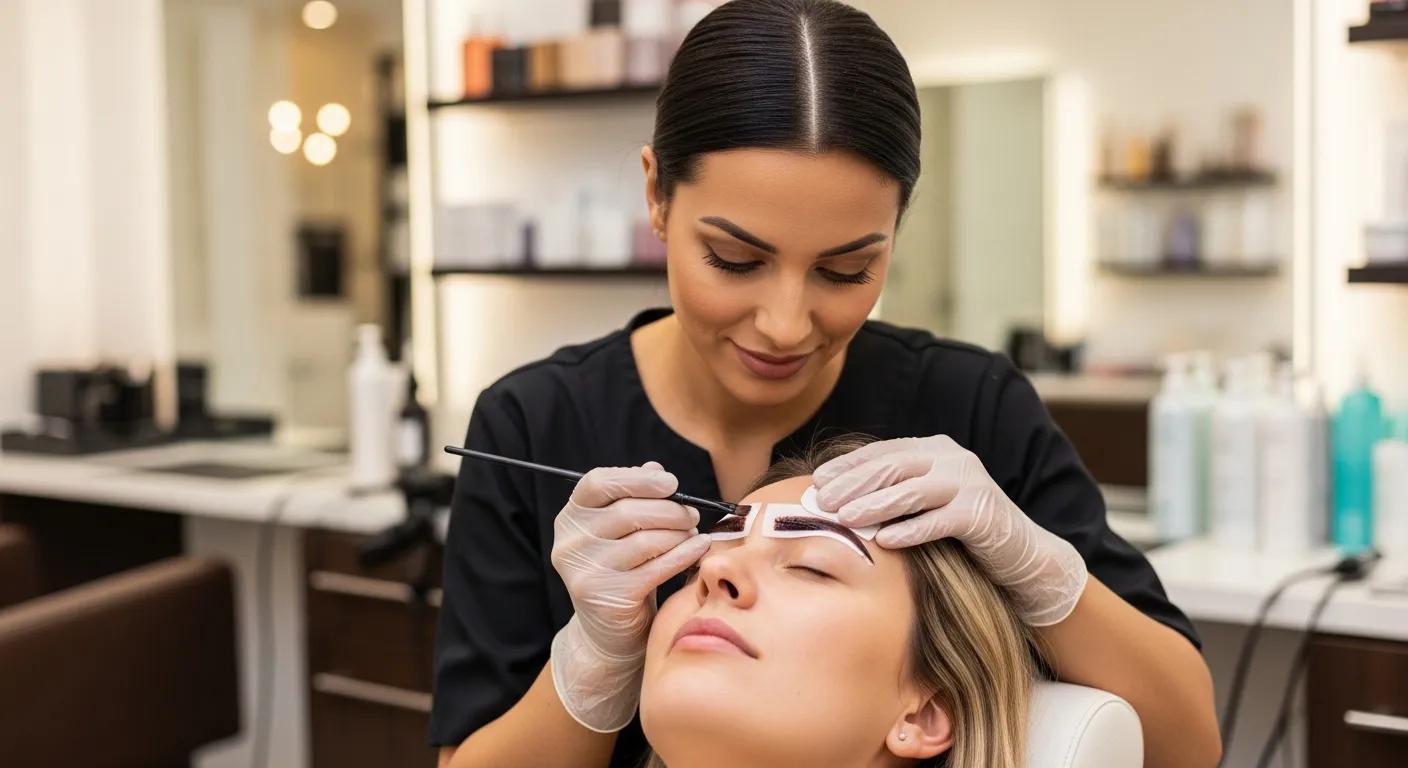
A typical tint appointment follows a short consultation and these core steps:
Tinting delivers fuller-looking brows, saves time in daily routines, and covers gray hairs for a refreshed appearance.
You’ll see immediate darkening and definition; mild, short-lived redness can occur. Results usually last several weeks.
Oily skin and rapid hair growth typically shorten wear time. Natural hair color and texture also affect how long tint remains visible.
Exposure (sun, swimming), skincare ingredients, and hair-removal routines can all influence fading.
Protect brows from UV, avoid strong exfoliants and harsh chemicals, and follow your technician’s aftercare instructions.
Keep brows dry for 24 hours, limit makeup on the area for a few days, and use mild cleansers to avoid stripping color.
Color-safe shampoos, nourishing brow conditioners, and scheduled touch-ups support longer-lasting tint results.
Tinting can be used on sensitive skin, but always perform a patch test and consult a professional for product alternatives when needed.
Early fading can be aided by gentle exfoliation, cautious use of oil-based removers, or professional removal methods.
Understanding these basics helps you make informed decisions about tint care. Brooklyn Brows offers professional consultations to tailor recommendations for your brows.
Stop treatment and rinse the area. Use a cold compress and consider an antihistamine for mild symptoms. Seek medical help for severe or worsening reactions and inform your technician before future tinting.
Choose one to two shades darker than your natural hair for definition. Match warm undertones with warmer tints and cool undertones with ashier shades; a professional can confirm the best match.
Home tinting is possible with proper products and a patch test, but professionals deliver safer, more consistent results—especially for first-time eyebrow tinting users.
Look for reduced color intensity, loss of definition, or uneven lightening. Increased need for makeup to fill brows is another sign the tint is fading.
Avoid oil-based cleansers, strong exfoliants, and active acids near the brow area. Choose gentle, non‑comedogenic products to preserve tint longevity.
Typically every four to six weeks, adjusted for hair growth and skin type. Consult your brow technician to set the optimal schedule.
Knowing how tint longevity is affected by growth, skin, and care helps you maintain defined, longer-lasting brows. Follow aftercare, protect from harsh exposures, and schedule regular touch-ups for the best, most consistent results. Contact Brooklyn Brows for a personalised consultation.